

Gold, a traditional safe-haven asset, is experiencing a renewed interest from buyers, indicating a potential shift in market sentiment. This return follows periods of fluctuating investor confidence and reflects a complex interplay of economic indicators and geopolitical events. For centuries, gold has served as a store of value, a hedge against inflation, and a reliable asset during times of uncertainty. Understanding the current dynamics of gold acquisition is crucial for investors and market observers.
Historical Context of Gold Investment
Throughout history, gold has maintained its allure. Ancient civilizations treasured it for aesthetic and symbolic reasons. In modern economies, gold’s role evolved, becoming a significant component of central bank reserves and a popular investment vehicle for individuals. Its intrinsic value, unlike fiat currencies, is not subject to governmental decree, lending it a unique stability. Past periods of economic turmoil, such as the 2008 financial crisis or the inflationary pressures of the 1970s, consistently saw gold prices rise as investors sought refuge from depreciating paper assets. This historical precedent shapes current market expectations.
Current Market Sentiment for Gold
Today’s market sentiment toward gold is largely positive. Investors, both institutional and retail, are re-evaluating their portfolios in light of ongoing global economic shifts. This enthusiasm is not uniform but reflects a broad-based desire for portfolio diversification and risk mitigation. The gold market, like a vast ocean, sees different currents pulling and pushing, but the overall tide appears to be rising.
Several key factors contribute to the increased demand for gold. These range from broad macroeconomic trends to specific geopolitical developments that influence investor behavior. To effectively navigate this landscape, it’s essential to grasp these underlying forces.
Global Economic Uncertainty
The global economic outlook remains uncertain. Persistent inflationary pressures, despite efforts by central banks to temper them, erode purchasing power and push investors towards assets perceived as resilient. Recessive concerns also play a significant role. When economic growth stalls or declines, companies may reduce earnings, making equities less attractive. Gold, often seen as a counter-cyclical asset, tends to perform well in such environments. Think of economic uncertainty as a stormy sea; gold acts as a sturdy lifeboat.
Geopolitical Instability
Recent geopolitical events, including regional conflicts and rising international tensions, contribute significantly to gold’s appeal. Such instability creates a climate of fear and unpredictability, prompting investors to seek safe havens. Gold’s non-sovereign nature makes it impervious to the political whims or economic policies of any single nation, a quality that shines brightest during times of international discord. Increased defense spending and supply chain disruptions, direct consequences of geopolitical friction, also ripple through the economy, indirectly supporting gold prices.
Central Bank Gold Accumulation
Central banks globally have been net buyers of gold for a considerable period. This trend signals a fundamental re-evaluation of reserve assets and a desire to diversify away from traditional fiat currencies, particularly the US dollar. When central banks, custodians of national wealth, increase their gold holdings, it sends a powerful message to the market about gold’s enduring value and strengthens its overall legitimacy as an asset class. Their actions are often seen as leading indicators, much like the changing colors of leaves signaling the approach of a new season.
Inflationary Pressures
High and persistent inflation remains a significant concern for investors. As the cost of living rises and the purchasing power of currencies diminishes, gold’s role as an inflation hedge becomes more prominent. Unlike paper money, gold’s supply is finite, and its value is not easily diluted by governmental printing. This inherent scarcity provides a strong argument for its preservation of wealth during inflationary periods.
The confluence of these factors has led some analysts to predict a substantial increase in gold prices, with projections reaching potentially 5,800. This figure represents a significant upward movement from current levels and suggests a robust bullish outlook.
Technical Analysis Indicators
Technical analysis often points to bullish signals for gold. Chart patterns, moving averages, and momentum indicators are being interpreted by some as suggesting a strong upward trajectory. For instance, a break above certain resistance levels could trigger further buying, as investors perceive a clear path for price appreciation. This analytical approach, though not infallible, offers a framework for understanding market psychology.
Fundamental Analysis and Valuation
From a fundamental perspective, the macroeconomic backdrop supports a higher gold price. Real interest rates, the return on investment after accounting for inflation, remain a critical driver. When real rates are low or negative, the opportunity cost of holding gold (which doesn’t yield interest) diminishes, making it more attractive relative to interest-bearing assets. Government debt levels, another fundamental consideration, also contribute to gold’s appeal. High levels of sovereign debt can lead to concerns about currency stability, pushing investors towards tangible assets like gold.
Price Prediction Models
Various price prediction models incorporating economic data, geopolitical factors, and market sentiment are generating upward revisions for gold. These models, while complex, attempt to quantify the impact of different variables on gold’s future price. Their projections, though diverse, largely point to an optimistic outlook. However, it’s crucial to remember that these are models, not crystal balls; they provide guidance, not certainty.
A sustained upward trend in gold prices would have wide-ranging implications for investors, financial markets, and even national economies. Understanding these potential outcomes is vital for strategic planning.
Impact on Diversified Portfolios
For investors with diversified portfolios, gold’s appreciation can act as a stabilizing force, offsetting potential losses in other asset classes, particularly equities during downturns. Its low correlation with stocks and bonds makes it an excellent diversifier, a shock absorber for your investment vehicle. A rising gold price can also increase the overall value of a portfolio, contributing to wealth preservation and growth.
Influence on Currency Markets
Gold’s relationship with currency markets is intricate. A strong gold price can indicate underlying weakness in certain fiat currencies, particularly the US dollar, which gold often trades inversely to. As investors shift away from currencies and towards gold, it can put downward pressure on exchange rates. This dynamic creates both opportunities and risks for international trade and investment.
Implications for Mining Companies
Gold mining companies typically benefit significantly from rising gold prices. Higher commodity prices increase their revenue and profitability, potentially leading to increased exploration, production, and dividends for shareholders. However, the operational costs of mining, regulatory environments, and environmental considerations also play a role in their overall financial health.
Investing in gold requires a thoughtful approach, especially in periods of market volatility. Several strategies allow investors to participate in gold’s potential upside while managing risk.
Physical Gold Ownership
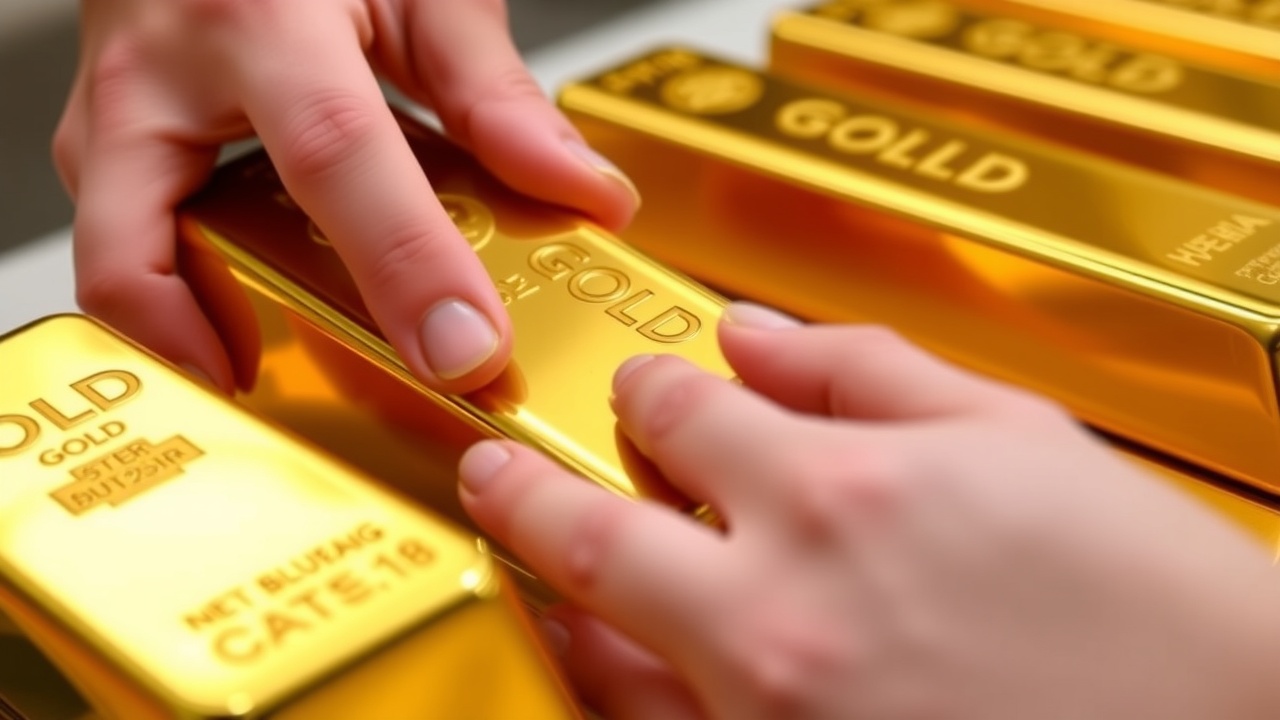
Direct ownership of physical gold, such as bullion coins or bars, offers a tangible asset. This method appeals to investors seeking a direct hedge against systemic risks and those who value the security of holding a physical asset. However, physical gold requires secure storage and may incur insurance costs, much like owning a valuable piece of art.
Gold Exchange-Traded Funds (ETFs)
Gold ETFs provide an accessible way to gain exposure to gold prices without the need for physical storage. These funds track the price of gold and are traded on stock exchanges, offering liquidity and ease of transaction. They are often backed by physical gold, providing a similar investment thesis to direct ownership but with greater convenience.
Gold Mining Stocks
Investing in shares of gold mining companies offers leverage to the price of gold. As gold prices rise, the profitability of these companies can increase disproportionately due to their operational gearing. However, this strategy also introduces company-specific risks, such as management issues, operational challenges, or geopolitical risks associated with their mining locations.
Gold Futures and Options
Sophisticated investors can utilize gold futures and options contracts. These derivatives allow for speculation on future gold prices, offering significant leverage but also carrying higher risks. They are powerful tools, like a complex machine, best handled by those with expertise and a thorough understanding of their mechanisms. Due to their complexity and potential for substantial losses, these instruments are generally not recommended for novice investors.
Market experts hold varying views on gold’s future, reflecting the complexity of economic forecasting. However, a consensus among many points to a continued bullish outlook, at least in the near to medium term.
Bullish Perspectives
Many analysts from major financial institutions are projecting further gains for gold. They often cite the ongoing macroeconomic uncertainties, central bank buying, and persistent inflation as key drivers. Some forecasts even exceed the 5,800 mark, suggesting a significant repricing of gold’s value in the global financial system. These experts view gold as a necessary component for portfolio resilience in a turbulent world.
Bearish Arguments and Counterpoints
Conversely, some experts present a more cautious or even bearish outlook. Their arguments often hinge on potential shifts in monetary policy, such as more aggressive interest rate hikes by central banks, which could increase the opportunity cost of holding gold. A strengthening US dollar, or a significant easing of geopolitical tensions, could also temper gold prices. However, many bullish analysts counter these points by emphasizing gold’s historical resilience to such factors and its role as a fundamental store of value beyond short-term market fluctuations.
As a potential gold buyer, navigating the current economic climate requires careful thought and a clear understanding of your investment goals and risk tolerance.
Risk Management and Diversification
No investment is without risk. While gold is considered a safe haven, its price can still experience volatility. Therefore, diversification remains a cornerstone of prudent investing. Gold should be viewed as a component of a broader portfolio, not the sole asset. Think of your portfolio as a well-balanced meal; gold is one important dish, but not the only one.
Timing the Market
Attempting to perfectly time the market, meaning buying at the absolute low and selling at the absolute high, is notoriously difficult. Instead, a disciplined approach, such as dollar-cost averaging, can be effective. This involves investing a fixed amount regularly, regardless of price fluctuations, thereby averaging out your purchase price over time.
Long-Term vs. Short-Term Investment Horizons
Consider your investment horizon. Gold can serve different purposes for long-term holders versus short-term traders. For long-term investors, gold often acts as a hedge against systemic risk and inflation, a foundational piece of their financial structure. Short-term traders may seek to profit from price fluctuations, necessitating a more active and risk-tolerant approach.
Ultimately, the resurgence of gold buyers signals a fundamental shift in how investors perceive risk and value in the current economic landscape. Whether gold reaches 5,800 or beyond, its enduring role as a safe haven and store of value remains a powerful narrative in financial markets.