

Recent financial news indicates a significant shift in cryptocurrency markets. Binance, a major cryptocurrency exchange, has experienced its lowest inflows in four years. This trend coincides with a notable surge in the price of Bitcoin, which has reclaimed the $90,000 mark. This article examines the data surrounding these developments, exploring the potential causes and consequences for both Bitcoin and Binance.
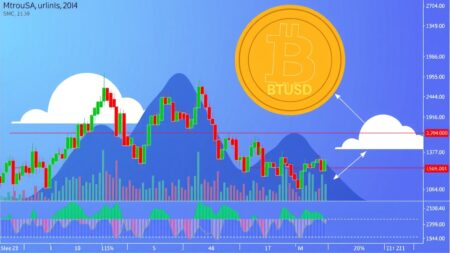
The price of Bitcoin has shown strong upward momentum. After periods of fluctuation, it has recently surpassed the $90,000 threshold. This price point represents a substantial milestone for the digital asset.
Historical Bitcoin Price Trends
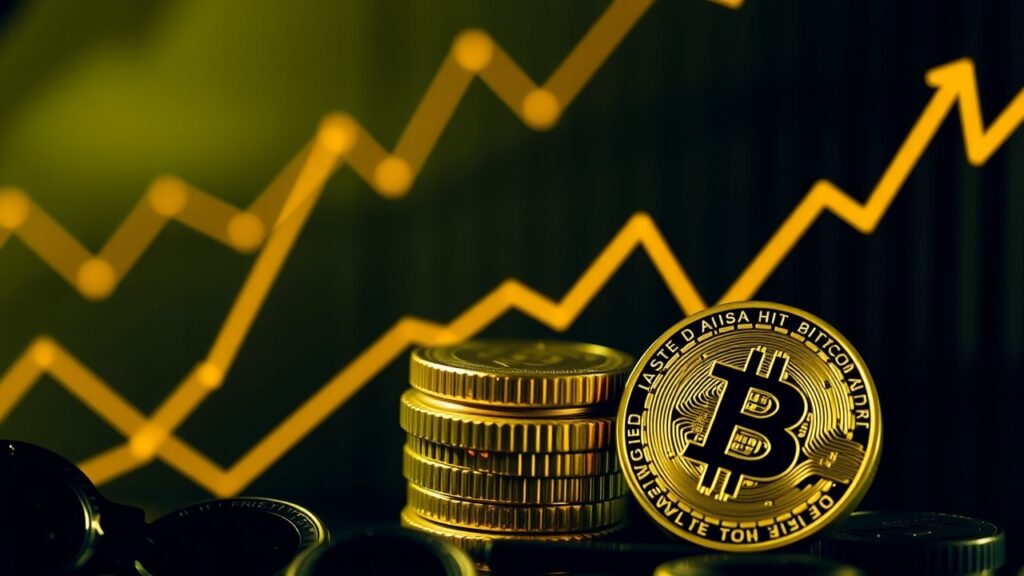
To understand the current surge, it is important to consider Bitcoin’s historical price movements. The cryptocurrency has a history of volatility, with periods of rapid ascent followed by corrections. Examining past performance can offer context for current events. The market has seen cycles of rapid growth and subsequent consolidation, and the current price action is being viewed within this framework. The journey to $90,000 is not a straight line but a series of climbs with occasional dips.
Factors Driving Bitcoin’s Surge
Several factors can influence the price of Bitcoin. These may include macroeconomic conditions, regulatory news, adoption rates by institutions and individuals, and technological developments within the Bitcoin network. Increased demand from investors, whether retail or institutional, can push prices upward. Conversely, negative sentiment or regulatory uncertainty can lead to price declines. The current surge appears to be drawing strength from a combination of these elements, though their exact weighting is subject to ongoing market analysis.
Data from cryptocurrency analytics firms suggests that Binance has seen a significant decrease in the amount of funds being deposited onto its platform. This decline in inflows is being closely watched by market observers.
Measuring Exchange Inflows
Exchange inflows are a key metric for gauging investor sentiment and activity. They represent the net amount of cryptocurrency moving into an exchange’s wallets from external addresses, such as personal wallets or other exchanges. Higher inflows can suggest that investors are preparing to sell or trade assets on the platform, while lower inflows might indicate that investors are holding their assets or moving them to other platforms or private storage. In essence, inflows are like water flowing into a reservoir.
Trends in Binance Inflows
The recent data has placed Binance’s inflow levels at a four-year low. This is a notable development for an exchange that has historically been a dominant player in the cryptocurrency trading landscape. Analyzing the historical patterns of Binance inflows can provide a clearer picture of the current situation’s significance. The exchange’s popularity has often mirrored broader trends in the cryptocurrency market, making its inflow data a bellwether.
Comparison with Other Exchanges
To provide a comprehensive view, it is useful to compare Binance’s inflow trends with those of other major cryptocurrency exchanges. Are these trends isolated to Binance, or are they indicative of a broader market shift? Such comparisons can help isolate factors specific to Binance from those affecting the entire ecosystem. If other exchanges are also experiencing similar trends, it suggests a wider market phenomenon.
The decrease in Binance inflows is likely the result of a confluence of factors. Understanding these drivers is crucial for interpreting the market’s current dynamics.
Regulatory Scrutiny and Compliance
Binance has faced significant regulatory scrutiny in various jurisdictions. These challenges can impact user confidence and trading activity. When an exchange navigates a complex regulatory environment, it can lead to shifts in user behavior as individuals and institutions assess their risk exposure. The ongoing dialogue between exchanges and regulators is a continuous narrative shaping the industry.
Competition from Decentralized Exchanges (DEXs)
The rise of decentralized exchanges (DEXs) offers an alternative for traders seeking to bypass centralized platforms. DEXs operate without intermediaries, allowing users to trade directly from their wallets. This growing competition may be drawing some volume away from centralized exchanges like Binance. The allure of self-custody and reduced reliance on third parties is a strong draw for a segment of the crypto community.
User Experience and Fee Structures
Changes in user interface, trading features, or fee structures on Binance could also influence user decisions. Platform updates, while intended to improve services, can sometimes lead to temporary disruptions or a preference for alternative platforms that offer a more favorable or familiar experience. The cost of trading, including withdrawal and transaction fees, remains a significant consideration for active traders.
Shift Towards Self-Custody
A growing trend in the cryptocurrency space is the emphasis on self-custody, where individuals hold their private keys and control their assets directly. This preference for holding assets in personal wallets rather than on exchanges might be contributing to lower overall deposit volumes on platforms like Binance. It represents a philosophical shift towards greater individual control over digital wealth.
The reclaiming of the $90,000 level by Bitcoin has elicited a predictable, yet significant, market reaction. Investors and traders are responding to this renewed strength in the leading cryptocurrency.
Investor Sentiment and Confidence
A price surge of this magnitude can significantly boost investor confidence. It may attract new market participants who are drawn to the prospect of further gains. Conversely, existing holders may feel more secure in their positions. The psychological impact of reaching a new price milestone cannot be overstated. It acts as a signal, like a lighthouse in the fog, guiding market participants.
Trading Volume and Volatility
As Bitcoin’s price escalates, trading volumes typically increase. This heightened activity can contribute to further price swings, leading to increased volatility. The market becomes a more dynamic environment, with active trading reflecting both optimism and caution. The dance between buyers and sellers intensifies.
Media Coverage and Public Interest
Significant price movements in major cryptocurrencies invariably attract media attention. Increased news coverage and public discussion can further fuel interest, potentially creating a feedback loop that influences both price and adoption. The narrative surrounding Bitcoin’s performance becomes a prominent story.
The substantial drop in Binance’s inflows carries several potential implications for the cryptocurrency market.
Impact on Bitcoin Liquidity
Lower inflows to a major exchange like Binance could, in theory, affect the liquidity of Bitcoin and other assets on the platform. Lower liquidity can sometimes lead to wider bid-ask spreads and increased price slippage for large trades. This means that executing large orders might have a more pronounced impact on the price. The flow of water into a smaller pond can cause larger ripples.
Exchange Competition and Market Share
The sustained decline in inflows could signal a shift in market share among exchanges. If users are moving funds away from Binance, they are likely depositing them elsewhere, potentially benefiting competing platforms. This competitive dynamic is a natural outcome of market forces.
Investor Diversification Strategies
The trend might also reflect a broader investor strategy of diversifying holdings across different platforms or asset classes. As the cryptocurrency market matures, investors may become more sophisticated in how they manage their digital assets, leading to less concentration on any single exchange. It is like a portfolio manager spreading investments across different sectors.
Regulatory Compliance and Future Growth
For Binance, addressing the factors contributing to lower inflows, particularly regulatory concerns, will be key to its future growth and market position. Successfully navigating these challenges could restore user confidence and reverse the trend. The outcome of these ongoing dialogues will shape the exchange’s trajectory.
Forecasting the future trajectory of both Bitcoin’s price and Binance’s inflows is subject to numerous variables. However, current trends and market dynamics offer some insights.
Potential for Continued Bitcoin Growth
If the factors driving Bitcoin’s current surge persist, and new positive catalysts emerge, the cryptocurrency could see further price appreciation. Continued institutional adoption, positive regulatory developments, and broader economic conditions that favor risk assets could all play a role. The next chapter in Bitcoin’s price story remains to be written, influenced by the tides of global finance.
Binance’s Strategic Response
The management of Binance will likely focus on adapting to the evolving regulatory landscape and addressing any user concerns that may be contributing to the decline in inflows. Implementing robust compliance measures and potentially refining service offerings could be part of their strategy to regain market confidence. An exchange needs to be agile, like a ship navigating changing currents.
Broader Market Trends
The performance of Bitcoin and the inflow trends on major exchanges are often indicative of broader sentiment within the cryptocurrency market. A sustained recovery in Binance inflows, coupled with continued strength in Bitcoin, could signal renewed optimism across the entire digital asset space. Conversely, continued declines might suggest a more cautious market outlook. The pulse of the cryptocurrency world is being closely monitored.
Investor Behavior and Adoption Rates
Ultimately, the future of both Bitcoin’s price and Binance’s inflows will be shaped by the collective behavior of investors and the ongoing adoption of cryptocurrency technology. As more individuals and institutions engage with digital assets, market dynamics will continue to evolve. The story is one of evolving technology and human behavior, playing out on a global financial stage. The path ahead is one of continuous adaptation and innovation. The cryptocurrency market remains a dynamic and evolving landscape, and the interplay between major assets like Bitcoin and prominent platforms like Binance will continue to be a focal point for observers.