
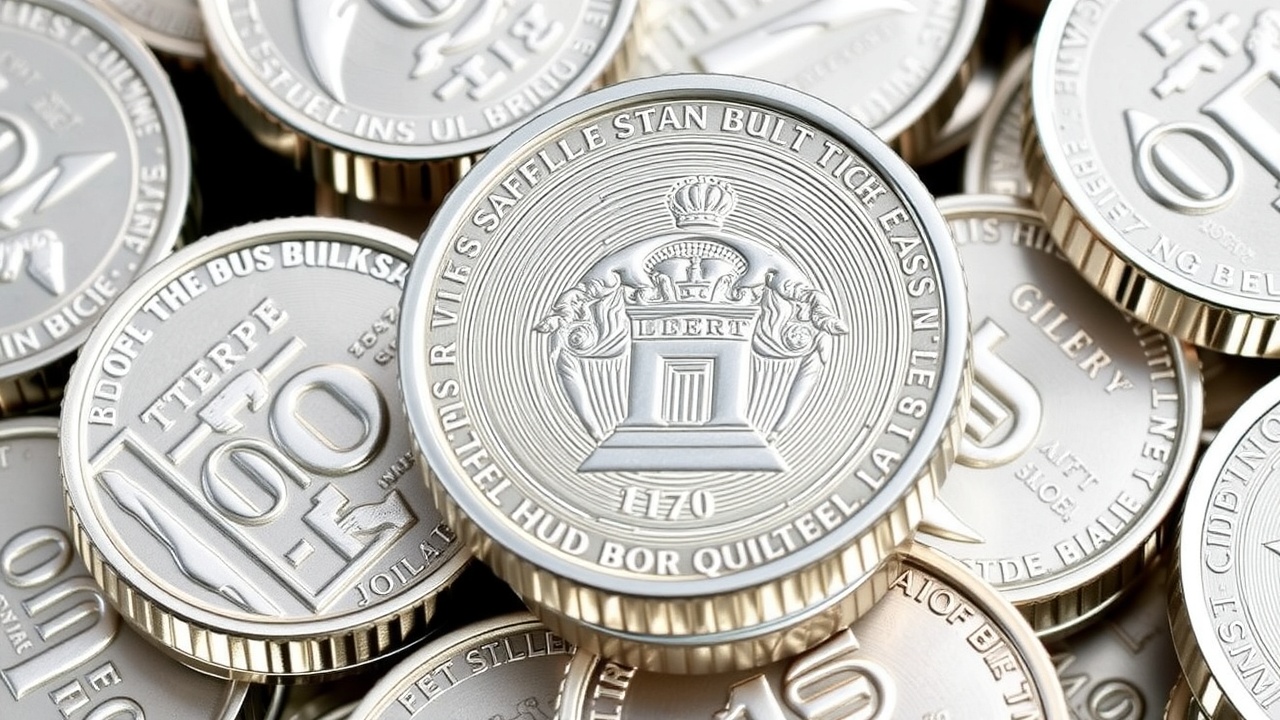

The price of silver has surged to an unprecedented $100 per troy ounce, a significant event that demands attention from investors and market observers alike. This article explores the various facets of this record high, from the forces behind it to its implications for investment strategies and the broader financial landscape. We will examine the silver market’s dynamics, assess the impact on investment portfolios, and consider potential risks and rewards.
Several factors converge to propel silver’s price to this new peak. These influences are both systematic and cyclical, reflecting shifts in global economics, industrial demand, and investor sentiment.
Industrial Demand and Economic Growth
Silver is not merely a precious metal for adornment or investment; it is a critical industrial commodity. Its use spans a wide array of sectors, including electronics, solar panels, and medical devices. Robust global economic growth often translates into increased industrial output, which, in turn, boosts demand for silver. For example, the burgeoning renewable energy sector, particularly solar photovoltaic technology, consumes substantial quantities of silver. As nations worldwide accelerate their transition to green energy, the demand for silver in this sector acts as a powerful tailwind for its price. Think of it as the building blocks of progress; when we build more, we need more silver.
Investor Sentiment and Safe-Haven Demand
In times of economic uncertainty or geopolitical instability, investors often flock to precious metals as a “safe haven.” Gold is traditionally the primary beneficiary of such sentiment, but silver also benefits from this flight to quality. When conventional assets like stocks or bonds exhibit volatility, silver can be perceived as a store of value, offering a degree of protection against inflation or currency depreciation. Imagine silver as a sturdy anchor in a stormy market; it helps steady the ship. This investor demand can manifest through direct physical purchases, silver-backed exchange-traded funds (ETFs), or futures contracts.
Supply Constraints and Mining Operations
The supply side of the silver market also plays a role in price movements. Silver is often mined as a byproduct of other metals, such as copper, lead, and zinc. Consequently, primary silver production can be less responsive to silver price changes than, for instance, gold production. Geological limitations, declining ore grades, and regulatory hurdles can all contribute to supply shortages. If the extraction of these other metals slows, the availability of silver also dwindles. This delicate balance between extraction and demand contributes to price sensitivity.
The ascent of silver to $100 per ounce has substantial implications for diverse investment portfolios. Investors must assess how this new price point alters their asset allocation and risk exposure.
Diversification and Portfolio Rebalancing
For portfolios that already hold silver, the record high presents an opportunity for rebalancing. The elevated price may mean that silver now constitutes a larger percentage of the portfolio than originally intended. Investors might consider selling a portion of their silver holdings to lock in profits and redistribute capital into other asset classes to maintain their desired risk profile. Conversely, for those without silver exposure, this record high could serve as a signal to consider adding silver, albeit with caution. It’s like trimming a bush; you maintain its shape and health by making adjustments.
Risk and Reward Considerations
While a record high often signals strong performance, it also amplifies both potential rewards and risks. Further price appreciation is possible, but the higher the price climbs, the greater the potential for a significant correction. Investors must weigh the allure of continued gains against the possibility of a downturn. This is the classic high-wire act; the rewards are great, but the fall can be long. A thorough assessment of individual risk tolerance is paramount.
Investing at a record high requires a nuanced approach. While the temptation to chase gains can be strong, prudent investors employ strategies to mitigate risk and optimize potential returns.
Dollar-Cost Averaging
One strategy to consider is dollar-cost averaging. Instead of investing a lump sum at the current price, investors can gradually purchase silver over time, regardless of short-term price fluctuations. This approach helps to smooth out the average purchase price and reduces the risk of buying exclusively at the market peak. Think of it as taking small, measured sips rather than gulping the entire drink; it helps to avoid extremes.
Physical Silver vs. Paper Silver
Investors seeking direct exposure to silver can choose between physical silver (coins, bars) and “paper” silver (ETFs, futures contracts). Physical silver offers direct ownership and removes counterparty risk, but it entails storage costs and potential liquidity issues. Paper silver provides convenient access to the market and can be more liquid, but it introduces the risk of the underlying financial instrument or issuer. Each option has its own set of trade-offs, and the choice depends on an investor’s preferences and objectives.
While silver shares common characteristics with other precious metals, its market dynamics and investment profile exhibit distinct differences. Understanding these differences is crucial for a well-rounded precious metals strategy.
Gold: The Traditional Safe Haven
Gold remains the quintessential safe-haven asset. Its market is generally larger and more liquid than silver’s. While both metals benefit from economic uncertainty, gold often reacts with greater immediacy and larger magnitudes. Silver, sometimes referred to as “poor man’s gold,” can show higher volatility due to its dual role as an industrial commodity. When gold sneezes, silver often catches a cold, but silver can exhibit more dramatic swings due to its industrial leverage.
Platinum and Palladium: Industrial Prowess
Platinum and palladium are primarily industrial metals, heavily utilized in catalytic converters for automobiles. Their price movements are profoundly influenced by the automotive industry’s health and emissions regulations. While they possess some investment demand, it is generally less prominent than that for gold or silver. Unlike silver’s broader industrial base, platinum and palladium are more concentrated in their industrial applications, making their price more sensitive to specific sector performance.
Predicting future price movements with absolute certainty is impossible. However, analyzing prevailing trends and long-term drivers can provide insights into silver’s potential trajectory.
Technological Advancements and Green Energy
The expanding role of silver in new technologies, particularly in the green energy transition, bodes well for long-term demand. The push for solar energy, electric vehicles, and other sustainable solutions projects a sustained need for silver in the coming decades. This foundational demand provides a floor beneath the speculative elements of the market. Consider it a sturdy foundation, supporting the structure even when other elements fluctuate.
Inflationary Pressures and Currency Debasement
Persistent inflationary pressures and concerns about currency debasement could continue to favor precious metals, including silver. As governments globally manage large debts and expand monetary supplies, the intrinsic value of tangible assets like silver can become more appealing. If the “money printer” keeps running, the value of paper currency might diminish, making physical assets more attractive.
Mining Supply and Discoveries
The supply side remains a critical variable. New discoveries of significant silver deposits could increase supply, potentially tempering price increases. Conversely, a general decline in ore grades or a lack of major new finds could exacerbate supply constraints, further supporting higher prices. The geology of mining is a slow, methodical process, and significant shifts in supply are not an overnight event.
In conclusion, silver’s rally to $100 per ounce is a landmark event, reflecting a confluence of industrial demand, investor sentiment, and global economic shifts. Investors must approach this new price level with a clear understanding of the underlying market dynamics, potential risks, and available strategies. A well-constructed investment plan, focusing on diversification, risk management, and a long-term perspective, remains the cornerstone of navigating any market, especially one experiencing record highs.