
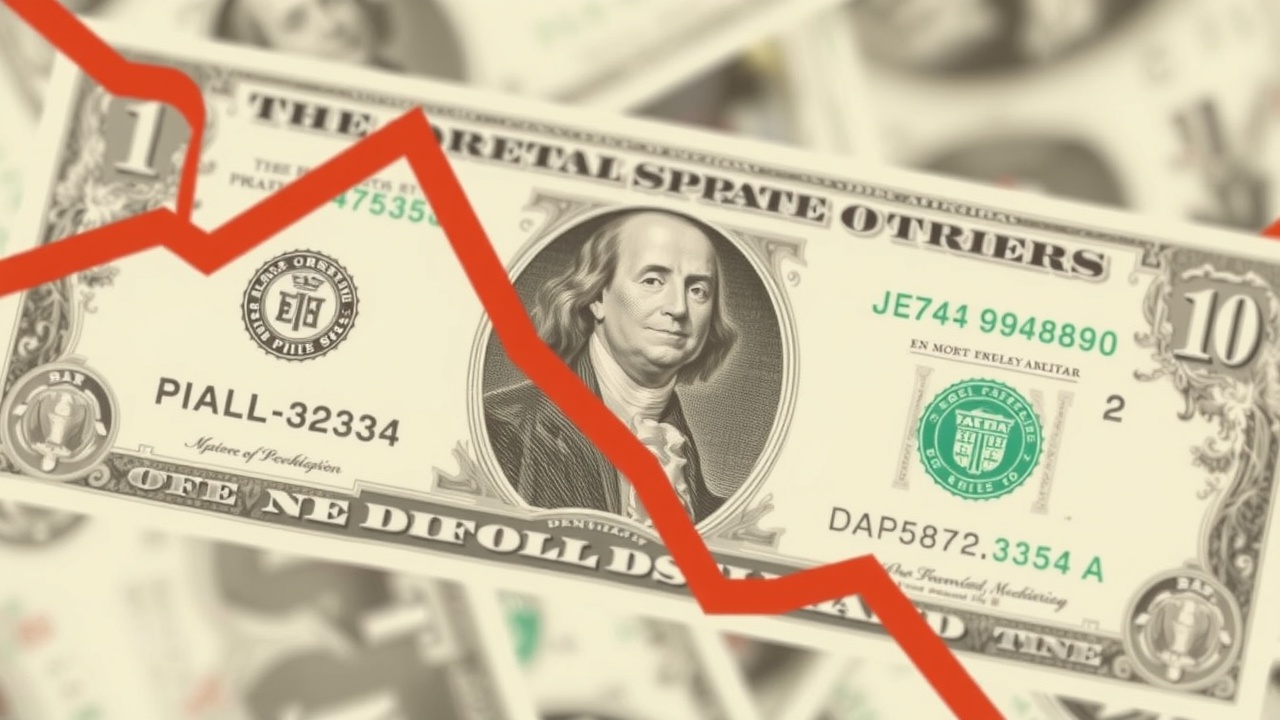
The United States dollar, a bedrock of the global financial system for decades, has experienced a notable decline in recent periods. This shift, while not unprecedented, warrants examination due to its broad implications for economies worldwide and individual financial well-being. Understanding the forces behind this weakening and its potential effects is crucial for navigating an evolving economic landscape.
Recent Dollar Trends
The dollar’s value, measured against a basket of other major currencies, has trended downward. This movement follows a period of strength, particularly during phases of global economic uncertainty when investors often seek the perceived safety of dollar-denominated assets. This recent reversal indicates a shift in investor sentiment and underlying economic conditions.
Factors Contributing to Decline
Several converging factors contribute to the dollar’s current trajectory. Among these are substantial government spending and increased national debt, which can erode confidence in a currency’s long-term stability. The Federal Reserve’s monetary policy decisions also play a significant role. When the Fed signals a more accommodating stance, such as lower interest rates or quantitative easing, it can make dollar assets less attractive compared to higher-yielding alternatives elsewhere.
Another factor is the performance of other major economies. As Europe, Asia, and other regions demonstrate stronger economic recovery or growth prospects, their currencies may gain strength relative to the dollar. Trade imbalances also exert pressure. A persistent trade deficit, where a country imports more than it exports, can lead to more dollars flowing out of the country than flowing in, increasing the supply of dollars on international markets and potentially reducing their value.
Historical Context
It is important to view the current decline within a broader historical context. The dollar has experienced periods of strength and weakness before. During the 1970s, for example, the dollar faced significant challenges due to inflation and the end of the Bretton Woods system. Conversely, the 1990s saw a period of prolonged dollar strength, fueled by the dot-com boom and robust economic growth in the US. These past cycles demonstrate that currency values are dynamic and influenced by a complex interplay of economic, political, and geopolitical events.
Impact on Global Markets
The dollar’s status as the world’s primary reserve currency and the dominant currency for international trade and finance means its fluctuations ripple across global markets. For businesses operating internationally, these movements can alter profitability and competitive positioning.
International Trade and Supply Chains
For businesses that import goods into the US, a weaker dollar means these goods become more expensive when priced in dollars. This can lead to higher consumer prices for imported products, potentially contributing to inflation. Conversely, US exporters benefit from a weaker dollar. Their products become more competitive on the global stage, as foreign buyers can purchase more US goods with their local currency. This can boost export volumes and support domestic industries.
Supply chains, already under pressure from recent global events, can be further complicated by currency volatility. Companies with extensive international supply networks must manage currency risk, as the cost of components sourced from abroad can change unexpectedly. This emphasizes the need for hedging strategies and flexible sourcing arrangements.
Commodity Prices
Commodities like oil, gold, and agricultural products are often priced in US dollars on international markets. When the dollar weakens, it generally makes these commodities cheaper for buyers using other currencies. This can lead to increased demand and, in turn, higher commodity prices when expressed in dollars. For countries that are net importers of commodities, a weak dollar can contribute to inflation through higher input costs. For commodity-producing nations, a weaker dollar can boost their revenues in local currency terms, even if the dollar price of their exports remains stable.
Global Investment Flows
A weakening dollar can influence international investment patterns. When the dollar loses value, foreign investors holding dollar-denominated assets, such as US Treasury bonds or stocks, see the value of their investments decrease when converted back into their home currency. This can make US assets less attractive and potentially lead to capital outflows. Conversely, US investors looking to invest abroad might find foreign assets more appealing, as a weaker dollar means their dollar capital can purchase more foreign currency. This shift in investment flows can affect asset prices and market liquidity globally.
Implications for Your Finances
The dollar’s decline is not an abstract economic phenomenon; it directly affects your personal financial planning and savings. Understanding these implications allows for informed decisions to protect and grow your wealth. For more information on the impact of the weakening dollar, you can read this article here.
Purchasing Power
A weaker dollar directly impacts your purchasing power, especially for imported goods and services.
When you buy items manufactured abroad, from electronics to clothing, you may find that the dollar buys less than it did before. This is because the foreign producer still needs to be paid in their local currency, and a weaker dollar means it takes more dollars to acquire that foreign currency. This erosion of purchasing power can subtly but persistently impact your household budget.
For those considering international travel, a weaker dollar means your vacation budget stretches less far.
Everything from hotel stays to meals and souvenirs in a foreign country will effectively cost more in dollar terms.
Investments and Retirement Savings
Your investment portfolio, particularly retirement savings, can be affected in multiple ways. If a significant portion of your investments is in US-based companies with substantial international operations, their earnings, when repatriated, might be higher if translated from stronger foreign currencies. However, if your portfolio is concentrated in purely domestic companies, their performance might not see such a boost.
For investors holding international stocks or bonds, a weaker dollar can be beneficial.
As foreign currencies strengthen against the dollar, the value of those overseas investments, when converted back to dollars, increases. This currency effect can amplify returns from international diversification. Conversely, a stronger dollar would have the opposite effect, diminishing returns from foreign assets when repatriated.
Bonds, particularly US Treasury bonds, can be influenced by perceptions of dollar strength.
If global investors lose confidence in the dollar, demand for these bonds may decline, potentially pushing up interest rates as the US government needs to offer higher yields to attract buyers.
Strategies for Individuals
| Strategy | Description | Benefits |
|---|---|---|
| Setting SMART Goals | Creating specific, measurable, achievable, relevant, and time-bound goals | Increased motivation and focus |
| Time Management | Organizing and prioritizing tasks to make the most of available time | Improved productivity and reduced stress |
| Continuous Learning | Seeking new knowledge and skills to adapt to changing environments | Enhanced personal and professional development |
| Building a Support Network | Connecting with mentors, peers, and resources for guidance and encouragement | Access to valuable advice and opportunities |
In an environment of dollar weakness, thoughtful financial planning becomes even more important. Proactive steps can help mitigate negative impacts and potentially leverage opportunities.
Diversification Beyond Borders
Consider diversifying your investment portfolio beyond purely US-centric assets. Investing in international stocks, bonds, or global mutual funds can provide exposure to economies and currencies that may be performing better than the dollar. This is like having different types of seeds in your garden; if one crop doesn’t do well, others might thrive. However, international investing also carries its own risks, including geopolitical instability and differing regulatory environments.
Inflation Hedges
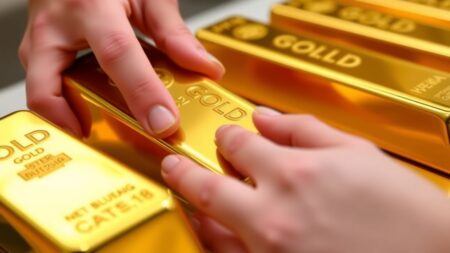
As a weak dollar can contribute to inflation, consider investments that historically perform well during inflationary periods. These might include real estate, commodities, or Treasury Inflation-Protected Securities (TIPS). TIPS are government bonds whose principal value adjusts with inflation, providing a measure of protection against rising prices. Physical assets like gold are also often seen as a hedge against inflation and currency depreciation.
Managing Debt and Savings
If you have debt, particularly variable-rate debt, consider whether prevailing interest rates are likely to rise in response to inflation. Fixing interest rates where possible can provide stability. For savings, ensure that your funds are earning a competitive return. If your cash is sitting in a low-interest savings account, its purchasing power is slowly eroding due to inflation and dollar weakness. Explore high-yield savings accounts or short-term certificates of deposit (CDs) to maintain some real return.
Role of Policy Makers
Central banks and government policies are central to managing currency values and their economic impacts. Their actions are powerful levers in shaping the dollar’s trajectory.
Central Bank Interventions
The Federal Reserve, as the US central bank, has primary responsibility for monetary policy. Its decisions on interest rates, quantitative easing, and other tools influence the dollar’s value. Higher interest rates typically attract foreign capital, strengthening the dollar, while lower rates can have the opposite effect. The Fed also occasionally intervenes directly in foreign exchange markets, buying or selling dollars to influence its value, though such direct interventions are rare and usually reserved for extreme market dislocations.
Other central banks around the world also play a role. If the European Central Bank or the Bank of Japan, for example, raise their interest rates or implement tighter monetary policies, it can strengthen their respective currencies against the dollar, contributing to the dollar’s relative decline.
Government Fiscal Policy
Government fiscal policy, which involves spending and taxation, also impacts the dollar. Large government budget deficits, financed by borrowing, can increase the supply of government debt. If investors perceive this debt as unsustainable or if it leads to concerns about future inflation, it can put downward pressure on the dollar. Conversely, fiscal policies that support strong economic growth and fiscal responsibility can bolster confidence in the dollar. Trade policies, such as tariffs or trade agreements, can also influence trade balances and, consequently, the dollar’s value.
Long-Term Consequences and Stability
The dollar’s decline is not an isolated event but part of a larger, evolving global economic system. Its long-term implications for global finance and stability are subjects of ongoing debate.
Shifting Global Power Dynamics
A sustained weakening of the dollar could gradually erode its dominance as the world’s reserve currency. While no single currency is poised to immediately replace it, a more multipolar currency system, where other currencies like the Euro or the Chinese Yuan play larger roles, is a possibility. This would mean that countries and international institutions diversify their currency holdings, lessening their reliance on the dollar. Such a shift would represent a significant geopolitical and economic recalibration.
Impact on Financial Stability
While a gradual currency adjustment is manageable, an abrupt or disorderly decline in the dollar could pose risks to global financial stability. If investors rapidly lose confidence, it could trigger capital flight from dollar assets, creating volatility in financial markets worldwide. For countries with dollar-denominated debt, a weaker dollar could ease their repayment burden if their local currency strengthens against the dollar. However, for countries that rely on stable exchange rates for trade and financial planning, significant dollar volatility can create uncertainty and disrupt economic activity.
The dollar’s present decline is a signal of shifting economic currents. For individuals, it calls for a review of personal financial strategies, emphasizing diversification and inflation protection. For global markets, it means re-evaluating trade flows, investment decisions, and the enduring role of the dollar. As the global economic landscape continues to evolve, understanding these dynamics is paramount for navigating the path ahead.